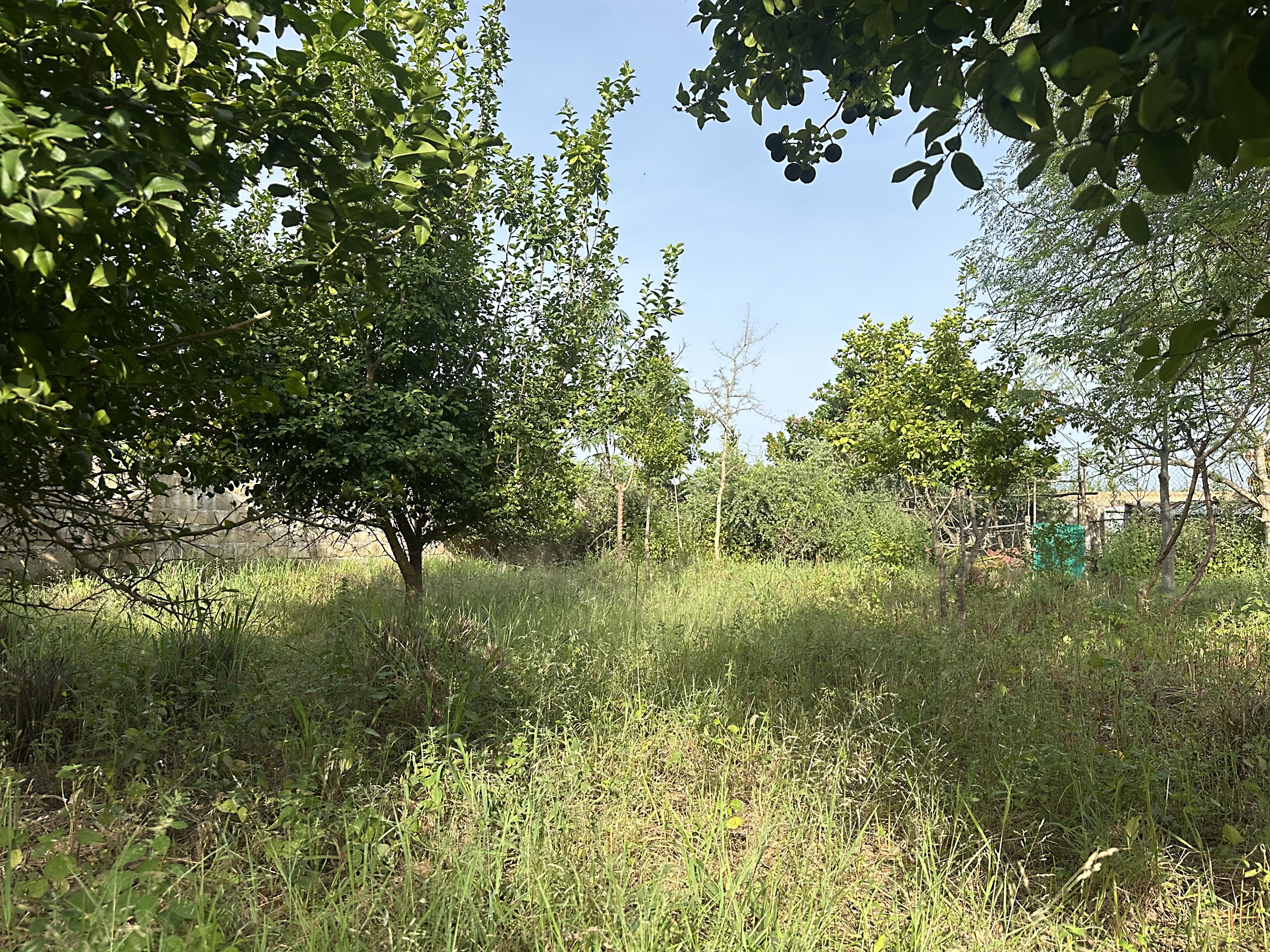
20261030 The Meadow
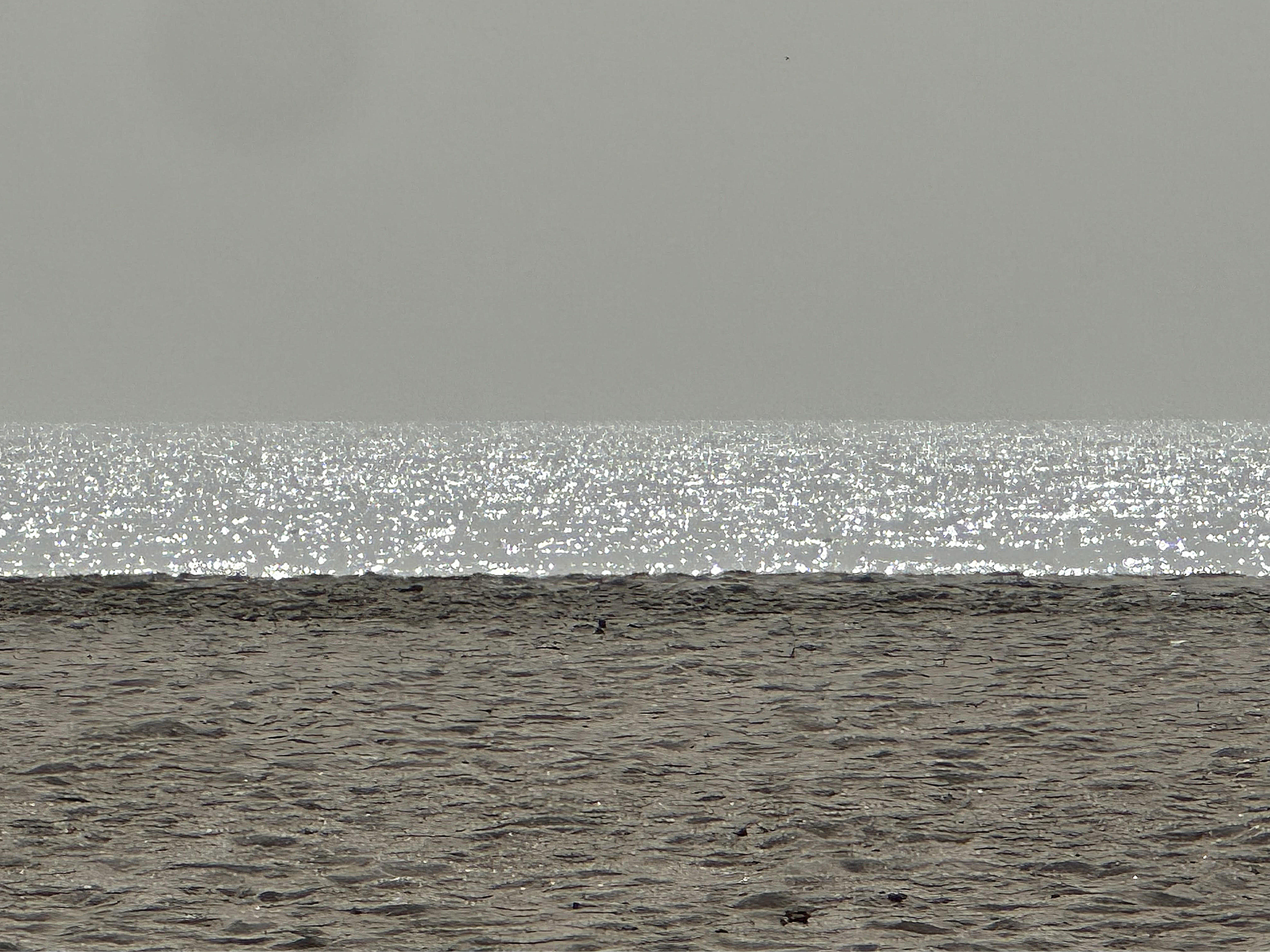
20261025 Last Sunday at the Beach
Thursday, 29
i have started reading Grada Kilomba's Plantation Memories. i am only at the beginning, but already i am drawn to her strong voice and the way she questions the authority of academic knowledge by giving personal experience its own voice. she challenges the distance and supposed neutrality of a system that has traditionally decided who is entitled to produce knowledge and whose experiences are considered worth listening to.
reading her makes me reflect on my own position, and on the relationships that have developed. questions i have carried with me return with a different weight. what does it mean to be a white european woman creating a cultural space in Africa? how much of what i do is shaped by the history and privileges i carry with me, even when my intentions are different? can i realise my own vision without reproducing the inequalities i want to question?
after a lifetime of working within other people's projects, i have finally created something of my own, a place that has grown out of my artistic practice, my curiosity and my desire to establish a different kind of cultural space. i enjoy being its author, having the freedom to imagine, decide and take responsibility. i do not want to diminish this achievement, nor do i want to feel that i must justify the existence of my project simply because i am a white woman living in Africa.
and yet i know that my freedom to realise this vision is not independent of the circumstances that made it possible. i have resources, an education and a certain mobility that others may not have. the place carries my ideas and my aesthetic, while the people who contribute to it may relate to it in very different ways. what does it mean to create a House of Culture in a place where my understanding of culture might not coincide with that of the people who live around me? whose expectations am i responding to, and whose recognition am i seeking?
love, companionship, shared work and material circumstances are intertwined in ways that cannot easily be separated. good intentions do not necessarily make every arrangement fair, just as unequal circumstances do not automatically make a relationship exploitative. i want to remain able to look at these contradictions without either defending myself too quickly or condemning myself in advance.
perhaps this is what attracts me to Kilomba's writing: she does not hide behind an impersonal voice. she makes the position from which she speaks part of the knowledge she produces. personal experience is not something to be removed in order to arrive at a supposedly universal truth. it becomes a way of examining the structures that shape what we know.
i am only at the beginning of the book. for now, i want to remain with this tension: the desire to be the author of my own life and work, and the awareness that no life is created outside history, power or relationships with others. perhaps the point is not to resolve this tension once and for all, but to learn how to live and work within it with greater clarity.
Tuesday evening, 27
this evening, i said goodbye to the park i had imagined for the backyard of our compound. for the first six years, i carried the idea of creating a place for contemplation, with paths inviting people to wander, to observe, to let their thoughts move freely.
Ousman Cham, whom i usually refer to Ous in my writings, has taken on most of the care of the garden in recent years. he, like the friends, who visited us, never quite shared my enthusiasm for this idea of a park. however, somehow, they allowed me to keep it, even if they were not entirely convinced. and now, almost without my noticing when it happened, the compound has become something else.
since last year we have goats and chickens. now a single path leads to the part of the backyard where their shelters stand, dividing the space into two distinct areas. the part beside the Pavilion remains dedicated to vegetables, while the other has become a meadow for the goats. the chickens roam everywhere, they even visit me sometimes in the Art Space. the garden i imagined as a place for contemplating has gradually turned into a landscape shaped by the daily rhythms of animals, their needs and the practicalities of caring for them.
standing there this evening, i realised that i no longer wanted to hold on to my original idea. i said goodbye to those walks through the garden and, at the same time, welcomed what has taken its place.
perhaps there is something liberating in recognising that our garden does not have to become what i once envisioned for it. living spaces are not static compositions. they develop through use, through the presence of others, through needs and habits that are not always our own. they are shaped by relationships as much as by intentions. admittedly, i've spent more time in the studio than in the garden over the last years, thus reducing my influence.
now there is a meadow, animals grazing. perhaps contemplation does not need a designated place after all. it can begin with accepting what is there, rather than measuring it against what i once wanted it to become.
tonight, i mourned the lost park a little. but i could let the idea go without feeling that something had failed. the compound has changed, and i am changing with it. there is a quiet pleasure in no longer having to defend an old vision and in allowing the place to find its own form.
Monday, 26
i want to put things into perspective. it is not unusual to question one's choices when returning from a journey, when the familiar suddenly feels more demanding than it did before leaving. the heat, the garden, the watering, all the small things that should be done. i even mentioned in the morning the idea of employing someone, preferably someone with a car, who could help us maintain the house and keep it charming rather than allowing it to run down.
perhaps this is also a question of finding a different balance, of leaving to distinguish between what gives me pleasure and what has become an obligation. i know how easily i can get caught up in what needs to be done, how practical demands of everyday life can push everything else into the background. and then i begin to question the whole thing, as if the effort involved were the only measure of its worth.
but this house is also part of a life i have chosen, a place i have imagined and brought into being. i don't want to lose sight of what drew me here in the first place. at the same time, i want to allow myself to change, to reconsider things.
and remind myself that a life cannot be measured only by its challenges, nor can a place be judged by how difficult it feels on a particular day.
the trip to Dakar for this year's Biennale is coming up and i'm glad that we're both going. i look forward to sharing this experience, to seeing art, meeting people, and allowing myself to be carried along by the unexpected. these encounters matter to me. they connect me with the wider world of art, but also with something within myself that can become quiet when everyday responsibilities take up too much space.
i want to turn my attention towards this experience, to make room for anticipation.
Sunday, 25
back in Gambia, i'm overwhelmed by the heat. i had hoped it would have cooled down a little during the two weeks i was away, but no. even at night, it felt like 35 degrees.
actually, i like the warm climate. i just need some time to readjust. it seems to me, though, that our area is particularly humid. in the city, the heat feels more bearable, the air is less heavy.
sometimes, especially when i return from a journey, i find myself wondering whether i should give up the house and look for somewhere easier to live.
the rains have stopped, which means that watering begins again. the garden demands a great deal of work, and instead of feeling at home, i find myself becoming restless, already caught up in the endless cycle of tasks that comes with living here. i become more aware of how much energy this place requires from me. i love what i have built, but there are moments when i don't know... if it has become a burden, and if i might feel more lighthearted in a place that asks less of me.
Saturday, 24 October, 3 am
after two weeks of worrying about my mother, i'm now returning to my own life, and i'm glad about it. i know my mother is well cared for at the Rosenhof; i couldn't do better. we saw each other a lot. that was good.
during these two weeks, it was difficult to concentrate on anything else. i couldn't read, for example. my thoughts kept returning to her, to her condition, to the uncertainty of what might happen next. everything else seemed to lose its place, as though i had to put my own life on hold while hers was so fragile. even the things that usually nourish me, that help me grow and find my way, somehow became things i wasn't allowing myself to do. as if turning towards myself meant turning away from her.
i am leaving with sadness, but also with a sense of relief. i can let go what i cannot change. this does not mean that i care less, or that i am abandoning her. i have been there, we have shared these days, and i am grateful for the closeness we found. i can carry that with me without having to remain inside the worry.
i want to return to myself now, not as a way of escaping what is happening, but as a way of continuing to live. to read again, to think, to look at things with curiosity, to give space to my own work and to the questions that matter to me.
perhaps this is also a form of letting go: the idea that love requires me to suspend myself. i can love her and still move towards my own life. i can be sad and still feel anticipation for what lies ahead. one does not cancel out the other.
Wednesday, 21
when i was about to leave my mother this evening, i gently stroked her right hand. she seemed to welcome the gesture, although she said nothing. after a moment, she asked me about my partner. perhaps she did not quite know how to respond to the feelings the physicality stirred in her. somehow i sensed a certain sadness in the moment, as though something had briefly surfaced between us that neither of us could put into words.
there is a familiar tenderness between us. she likes to be kissed when i arrive and when i leave. yet today's gesture seemed to hold something different: a quiet form of closeness beyond words, beyond the need for a response. nor for recognition; no need for explanation, nor confirmation of what i mean to her. i was simply there, whithout asking anything of her, without trying to change anything.
our relationship carries a long history of difficulties and hurt, none of which disappears in such a moment. and yet, perhaps closeness does not require the past to be resolved. it can exist alongside sadness, disappointment and the awareness of how much remains unspoken.
for long i have carried a sense of responsibility for my mother — for her feelings, her well-being, also for things that have remained unresolved within her. now, something in me is beginning to loosen that grip. i can feel compassion without taking responsibility for her life. i can witness her vulnerability without making it my own. i can love her without having to repair what cannot be repaired.
letting go this responsibility does not mean turning away from her. it means allowing her to be who she is, and allowing myself to be who i am. i can feel compassion without denying my own experience. i can be close to her without taking responsibility for her feelings, and offer affection without expecting anything in return.
this is a different kind of freedom: to meet her in the present, without having to settle the past.
Thursday, 15
since arriving in hamburg, i have visited my mother in the hospital every day. today, she was brought back to her apartment in the senior living complex. she is now lying in a hospital bed in her living room, in a space that until recently was still part of her ordinary life, but has now become the setting for her physical decline.
for some time, her position has been unequivocal: I no longer want to live.
there is not much one can say to that. i find myself confronted with the limits of language, with the inadequacy of the reassuring words that accompany suffering. i am inclined to believe that there is always something left to be done, some intervention that might restore a person's strength, alleviate their pain, or even renew their desire to live. but what happens when the wish to continue living has disappeared, when the prospect of another day no longer presents itself as a promise but as a burden?
my mother can barely move. her world has contracted to the dimensions of her bed, her body no longer obeying her as it once did. the autonomy through which i move through the world, often without giving it a second thought, has been taken from her. she depends on others for the most basic things. there is a vulnerability in this dependence, not merely because the body has become frail, but because the distance between wanting something and being able to do it has grown vast.
the preservation of life is the first principle of medicine and the instinctive response of those who love someone. to live is to be given another possibility, another day in which something might change. even in the face of suffering, i tend to defend this possibility, perhaps because the alternative is difficult to contemplate.
my mother's words confront me with the limits of this life affirming conviction.
what does it mean to insist on the value of life when the person living it no longer experiences it as something desirable? from the outside, i can still see the value that remains: the presence of family, the possibility of a conversation, a familiar room, the changing light through a window. but these are my perceptions. i cannot assume that the world presents itself in the same way to someone whose physical capacities have been so profoundly diminished.
i imagine there must be a deep loneliness, even when people are around her, even when i come to visit. and yet she repeatedly tells me that she prefers to be alone. loneliness is often associated with the absence of others, and i somehow believe that my presence might offer some relief.
but solitude and loneliness are not the same thing. when the body has become a place of limitation and dependence, the presence of others can itself become an effort, another demand to which one must respond. even affection requires energy: the energy to engage, to speak, to acknowledge another person's concern.
she keeps saying that the caregivers are closest to her, the people she can rely on. this is understandable, of course. they are there in everyday life, while i live too far away to be with her for more than a limited time.
there is something unsettling about recognising how little access i have to another person's inner world, even when that person is my own mother. i know her history, her habits, and much of what has shaped her life. yet at a moment such as this, i encounter a distance that cannot simply be crossed by familiarity or love. her experience is hers, and i cannot inhabit it for her.
for now, i have to accept her weariness with life, even if i cannot fully understand it. this does not mean assuming that her words are beyond question, or concluding that nothing more can be done. it means acknowledging the limits of my understanding and resisting the temptation to replace her experience with my own ideas about what makes life worth living.
Sunday, 11
took the chance, after having arrived in Hamburg yesterday, to watch NAZA.
the documentary was made by Yuval Abraham and Rachel Szor.
images of the busy, sparkling city of Tel Aviv in the background, with its ordinary life continuing, while the film speaks of a Gaza that has been almost completely destroyed.
the interviews with the israeli soldiers and intelligence personnel, filmed in the darkness, reveal a system in which the killing of people becomes a matter of calculations, algorithms and numbers.
the title NAZA — collateral damage — points to the language we use to make terrible things appear almost ordinary. in military language collateral damage refers to unintended harm civilians or civilian property during an attack on a military target. yet the testemonies reveal that civilian deaths were often anticipated and accepted. civilians were killed even the military knew families were present.
NAZA is about the calculation of how many civilians may be killed in an attack.
a tenderly and affectionately made film.
Monday, 5
i had some wonderful visitors today. they were genuinely impressed by the house and the compound. yes, i was really pleased about that. it is one thing to live with a place, seeing everything that needs to be done, and another to see it through the eyes of people encountering it for the first time.
one of them who has been here for several times even wrote to me afterwards to eventually express his respect for what i have built. that touched me.
Sunday, 4
there is something deeply unsettling about people you are close to, people you like and trust, letting you know that they have a certain power over you — and that they are willing to use if you do not what they say. they know that you depend on them more than they depend on you. so even a seemingly casual remark from your side, something you say freely and without any intention to causing harm, can be met with a threat of repression — invoking the law, or otherwise using their power against you. it changes the relationship. you are no longer choosing whether to agree with them; you are calculating what might happen if you don't. and because you feel that you have no real alternative, you comply. what makes it especially painful is that the power is exercised not by strangers, but by people whose closeness to you is precisely what made you trust them.
Saturday Night, 3
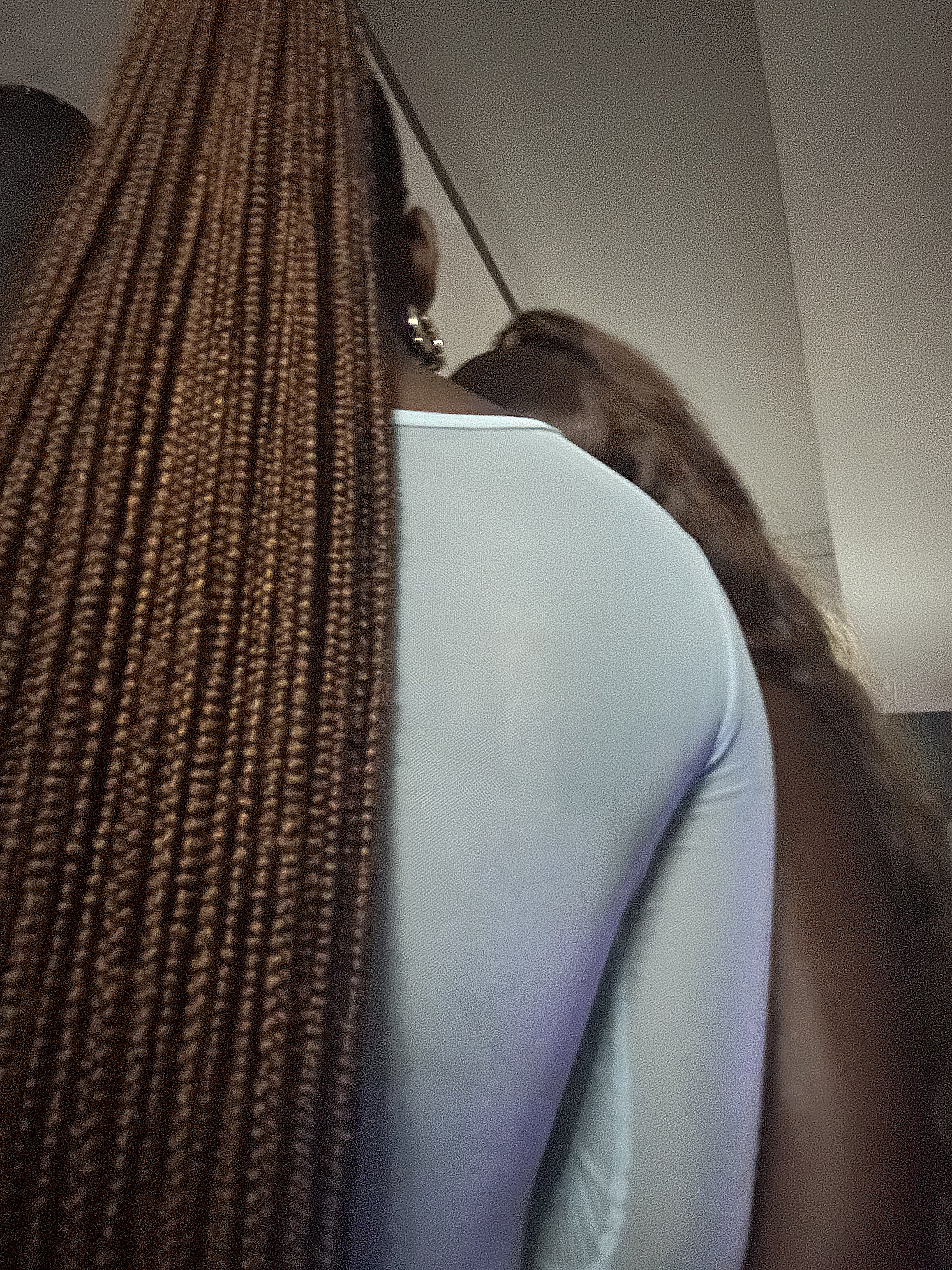
at ST Brikama Boyo's Birthday Bash --> at the Nova Lounge, surrounded by so many young Black people, a thought passed through my mind: what would it be like if i could simply replace my body? not repair it, not slow down its aging, not make certain things disappear, but actually replace it with another body. would i still be the same person?

i do identify with my body. it is not simply something i inhabit, like a house that could be exchanged for another one. i experience myself through it: the way i move through the world, the sensations, limitations, pleasures and discomforts that belong to me. this particular body has carried me through my entire life. it has aged with me, and its history is my history.
so if i were suddenly given another body would i still be me?
intellectually, i could say yes. my memories would remain, my thoughts, my relationships, my way of thinking and speaking. but i suspect i would feel that something essential had been displaced. i would be carrying myself around in a body that was not the body through which i had lived my life.
however, what if replacing my body were my own decision? what if i freely and deliberately chose it? then the act itself would come from my will. the decision to become someone physically different would be an expression of the same self who had lived in the old body. perhaps the continuity would lie precisely there — not in the body, but in the fact that i had chosen.
this makes me wonder whether the self is less fixed than i imagine. perhaps i am not simply the body i have, nor simply the mind that inhabits it. perhaps i am also the continuity of my choices: the fact that, despite everything that changes, there is something in me that says i choose this.
and perhaps this is closer to the core of my identity than either my body or my thoughts: the continuing capacity to chose what i become.
Friday, 2
today i came across a post by Thomas Hirschhorn. -->
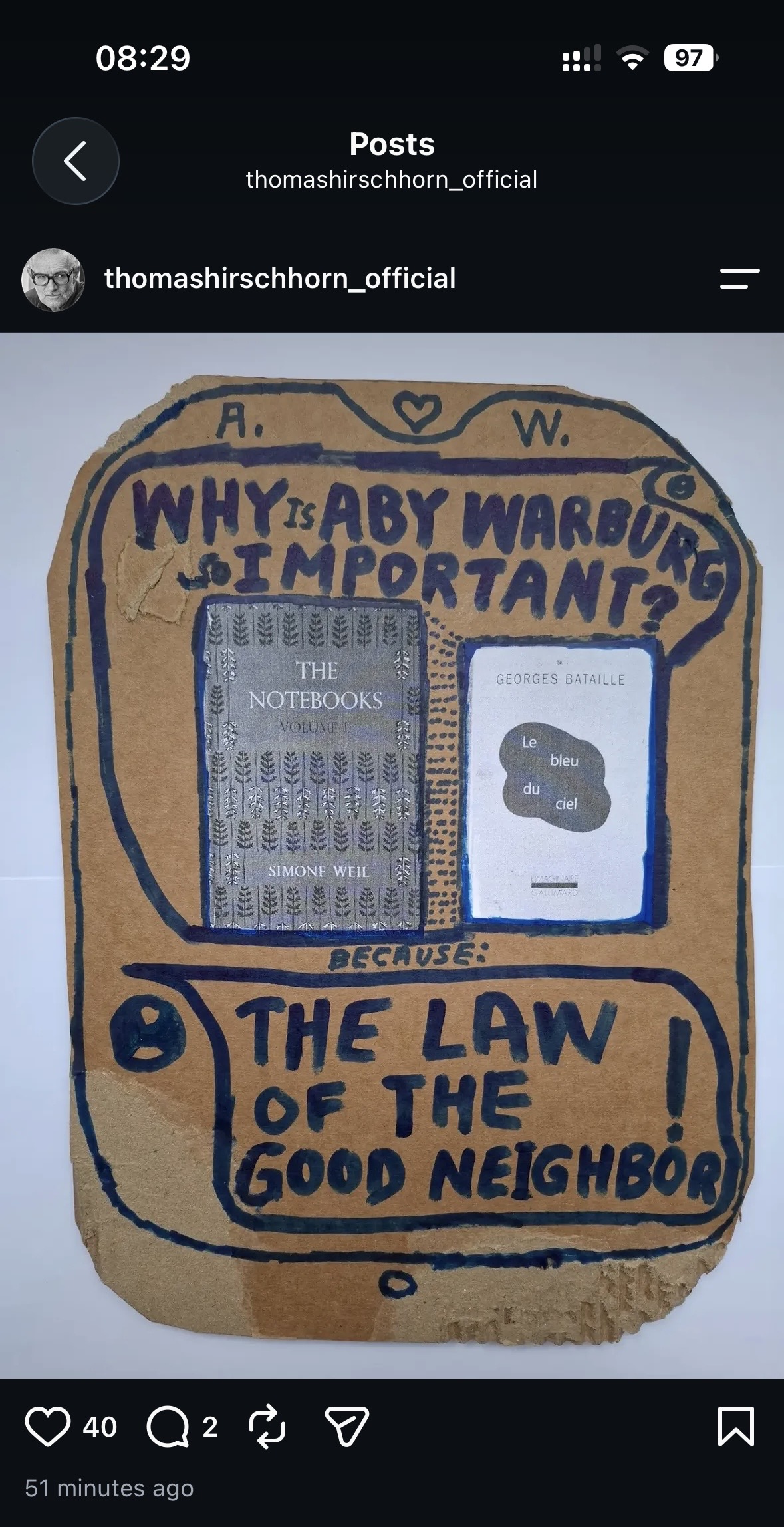
at the top, handwritten:
Why is Aby Warburg so important?
underneath, two books placed next to each other: Simone Weil, Notebooks, Volume II, and Georges Bataille, Le Bleu du Ciel.
And underneath the two books, again handwritten:
because:
The law of the good neighbor!
i like the accumulation, the roughness, the thinking made visible, the way Hirschhorn puts things together without making them neat. and now this strange constellation of names.
i had never really encountered Simone Weil before. i know her through Hirschhorn, who returns to her repeatedly in his work and posts. when i saw today's post i became curious enough to download a sample of the notebooks.
i found out that she was a philosopher, but that description seems insufficient. she went to work in factories because she wanted to understand the condition of workers from within. she wrote about force, oppression, attention, suffering, beauty, work, necessity. she seems to have been constantly pushing herself towards an experience rather than settling for an idea about it.
and then the question and the answer. there is no obvious logical relation between them — at least not one Hirschhorn explains. it sounds to me like a Dada logic. the syntax promises an explanation, and then explanation refuses to explain.
maybe Hirschhorn is not proposing a neat intellectual connection between the three of them at all. perhaps he is doing what he so often does: putting things next to each other and giving a space in which something might happen between them.
i don't know yet where the Notebooks will take me. her writing style is almost like bullet points, like notes — just a notebook. i might dip into it now and then. i've already read two other samples of her work: The Need for Roots and The Subversive Simone Weil: A Life in Five Ideas. i couldn't bring myself to buy them in their entirety. she might be interesting for Hirschhorn, but not necessarily for me.
Thursday, 1
i was torn between making this a double issue and simply starting a new month.
since i am in town at the moment, i am not able to renew the Work of the Month at the Art Space.
so i decided to start a new single page. The Sleeping Artist will probably remain hanging as the Work of the Month for October as well. the work expresses a quietness i appreciate, and it will give the space a sense of peace during my absence while i visit Hamburg.
by the way, my mom fell about a week ago. she was taken to the hospital and is now in rehabilitation. somehow, though, her mind has become confused. when we had a video call, she told me something about AI and said that she had been chosen, along with many others, to take part in some experiments. according to my sister, who lives in Hamburg and is able to visit her from time to time, this state of mind has continued until now.